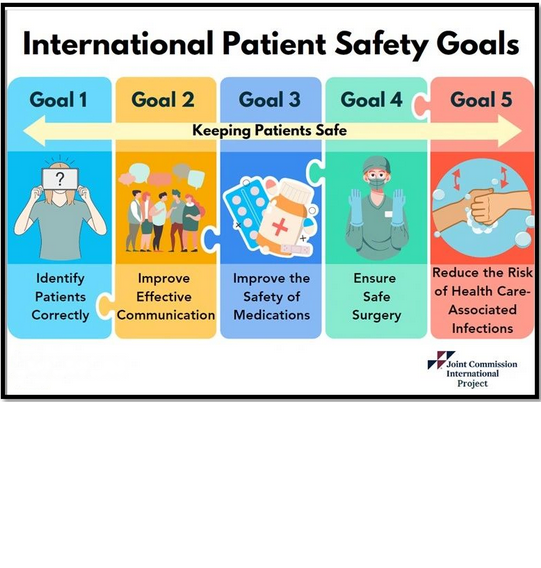
10 Essential Patient Safety Practices for Healthcare Organizations
Introduction
Patient safety is a fundamental component of healthcare quality. Healthcare organizations must continuously work to prevent harm to patients and create systems that promote safe, reliable, and effective care.
Medical errors, communication failures, and system inefficiencies can lead to preventable adverse events. Implementing structured patient safety practices helps healthcare institutions reduce risks and build a culture that prioritizes patient well-being.
This article outlines ten essential patient safety practices that healthcare organizations can implement to improve safety and strengthen clinical quality systems.
1. Establish a Patient Safety Culture
A strong safety culture encourages healthcare professionals to prioritize patient safety in all aspects of care.
Organizations should promote open communication, transparency, and accountability, allowing staff to report safety concerns without fear of blame.
2. Implement Effective Incident Reporting Systems
Incident reporting systems help healthcare organizations identify and analyze adverse events, near misses, and safety concerns.
By collecting and reviewing incident data, organizations can identify patterns and implement preventive measures.
3. Conduct Root Cause Analysis (RCA)
Root Cause Analysis is a structured method used to investigate serious incidents and identify underlying causes.
Rather than focusing on individual errors, RCA examines system failures and process weaknesses that contribute to safety events.
4. Standardize Clinical Procedures
Standardizing clinical workflows through clearly documented procedures helps reduce variability in care delivery.
Standard Operating Procedures (SOPs) improve consistency, reduce errors, and ensure compliance with best practices.
5. Improve Communication Among Healthcare Teams
Communication breakdowns are one of the leading causes of patient safety incidents.
Healthcare organizations should implement structured communication tools such as:
-
SBAR communication framework
-
Multidisciplinary team meetings
-
Standardized handover procedures
6. Strengthen Infection Prevention Programs
Healthcare-associated infections are a significant patient safety concern.
Effective infection prevention programs include:
-
Hand hygiene protocols
-
Environmental cleaning procedures
-
Monitoring infection rates
-
Staff training and compliance audits
7. Monitor Patient Safety Indicators
Healthcare organizations should track key safety indicators to measure performance and identify improvement areas.
Examples include:
-
Medication error rates
-
Falls and injury incidents
-
Hospital-acquired infection rates
-
Surgical complication rates
8. Use Technology to Improve Safety
Digital health technologies can enhance patient safety through:
-
Electronic health records (EHR)
-
Clinical decision support systems
-
Medication safety alerts
-
Data analytics for risk monitoring
9. Provide Continuous Staff Training
Training programs ensure that healthcare staff remain updated on safety protocols, regulatory standards, and best practices.
Simulation-based training and competency assessments can further strengthen staff preparedness.
10. Engage Patients in Safety Efforts
Patients and families can play an important role in improving healthcare safety.
Encouraging patient participation, providing clear information, and supporting shared decision-making helps strengthen safety systems.
Conclusion
Patient safety is a shared responsibility that requires strong leadership, structured systems, and continuous improvement efforts.
By implementing proactive safety practices, healthcare organizations can significantly reduce preventable harm and create safer healthcare environments for patients and staff alike.